
First Road Trip With Little Kids: A Simple Plan That Works
Some links in this post are affiliate links. As an Amazon Associate, Best Rainbow Activity Books earns from qualifying purchases, at no extra cost to you.
The first long drive with a toddler feels big. It does not have to be hard. Plan around your child, not the map, and the miles take care of themselves. Here is the plan we give every family on their first road trip.
1. Start with a practice drive
Do a one- to three-hour trip first. A grandparent’s house or a day at the lake works. You learn how your child rides, when they get fussy, and what you forgot to pack. Then the big trip is a repeat, not a test.
2. Drive around naps, not the clock
Leave right before nap time or right after an early dinner. Little kids sleep best in a moving car. Put the long, boring stretch of highway in the sleepy window. Save the fun stops for awake time.
- Early starters: Load the car the night before. Carry kids out in pajamas and drive at sunrise.
- Nap travelers: Eat lunch, use the bathroom, then drive straight into nap time.
- Evening drivers: Bath, pajamas, then the car. Bring the bedtime blanket and the bedtime song.
3. Stop every 1½ to 2 hours
Toddlers need to move. Plan a real stop every 90 minutes to two hours. Pick parks and rest areas with grass, not just gas stations. Ten minutes of running beats an hour of crying. Use every fuel stop for a diaper change, a bathroom try and a stretch, even if no one asks.
4. Keep the car seat rules simple
Safety comes first, every time. NHTSA says all children under 13 should ride buckled in the back seat. Check that each car seat fits your child’s age and size before you go; free car seat inspection stations can help.
- No puffy coats in the car seat. Buckle in, then put the coat or blanket on top.
- Keep loose things soft. In a crash, hard toys, tablets and metal bottles can fly. Car seat safety experts warn about tablet holders that hang on headrests.
- Never leave a child alone in a parked car, even for a minute. NHTSA notes a child’s body heats up three to five times faster than an adult’s.
- Look in the back seat every time you get out.
5. Pack one bag for the front seat
Do not dig through the trunk at 60 miles an hour. One front-seat bag holds everything you need while driving:
- Wipes, diapers or pull-ups, a change of clothes for each child, and plastic bags for wet things
- Snacks in small soft containers, plus water for everyone
- Motion sickness bags and paper towels, just in case
- A small first aid kit and any medicine your child takes
- Three or four activities, handed out one at a time
6. Bring activities in “rounds”
Do not hand everything over at once. Give one activity, wait until it stops working, then trade it for the next. New-to-them things work best. Save one surprise for the hardest hour.
Printable pages are perfect here. They are light, cheap and new every trip. Our Road Trip & Airplane Activity Book has car bingo, an alphabet hunt and games for two. Clip a few pages to a clipboard and you are set.
Pack these: our picks for little travelers
Melissa & Doug Water Wow
Water-reveal coloring pads. No mess, no markers on the seats. Refill the pen and color again.
See it on Amazon ↗Reusable sticker pads
Puffy, peel-and-stick scenes keep busy hands happy for a long stretch.
See it on Amazon ↗OXO Tot 2-in-1 Go Potty
A folding potty for potty-trainers. Use it at a rest stop when the bathroom is far.
See it on Amazon ↗Kick mat and seat-back organizer
Protects your seats and holds wipes, books and soft toys. Keep only soft things in it.
See it on Amazon ↗Want more ideas? See Amazon’s current best-selling baby and toddler toys and best-selling travel potties.
7. Snacks: simple and not too sweet
Pack protein and crunch: cheese sticks, crackers, apple slices, dry cereal. Skip the candy and juice boxes for the long stretches; sugar plus sitting still is a hard mix. Give each child their own snack cup so nobody fights over the bag.
8. Use screens on purpose
A movie is a tool, not a failure. Save it for the last hour of the day, when everyone is tired. Use volume-limited kids’ headphones so the driver can think. Then the paper and crayons have the first five hours.
9. Lower the bar, then celebrate
Something will spill. Someone will cry at the worst exit. That is a normal road trip. When you arrive, celebrate. Kids who finish a trip proud ask to go again.
Your first-road-trip checklist
- Practice drive done
- Car seats checked
- Route planned with a park every 1½–2 hours
- Front-seat bag packed
- Activities split into rounds, one surprise saved
- Bedtime blanket and song in the car
Printable books for this trip
 Road Trip & Airplane Activity Book
 Farm & Pond Activity Book
 Dragon Activity Book
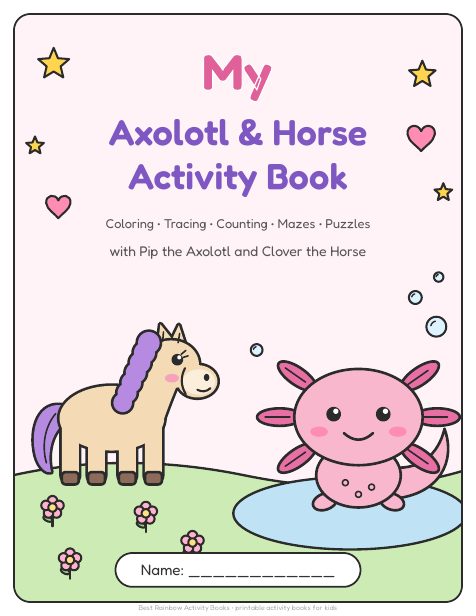 Axolotl & Horse Activity Book
More travel tips
- Road Trip With Multiple Kids: How to Keep the Peace in the Back Seat
- Flying With Kids for the First Time: What to Know Before You Go
- Our All-Time Favorite Things to Do on the Road With Kids
Sources
- NHTSA: Summer Driving & Road Trip Tips
- NHTSA: Child Safety
- Safe in the Seat: Family Road Trip Essentials
- Local Passport Family: Road Trip With a Toddler
This article is general information, not medical or legal advice. Rules change; check TSA, your airline and your car seat manual before you travel.